Why Sitting Meditation Makes You More Anxious — and What to Do Instead
Walking meditation grounds high-anxiety minds through movement. Learn the step-by-step 10-minute practice and how to transition to seated meditation over time.
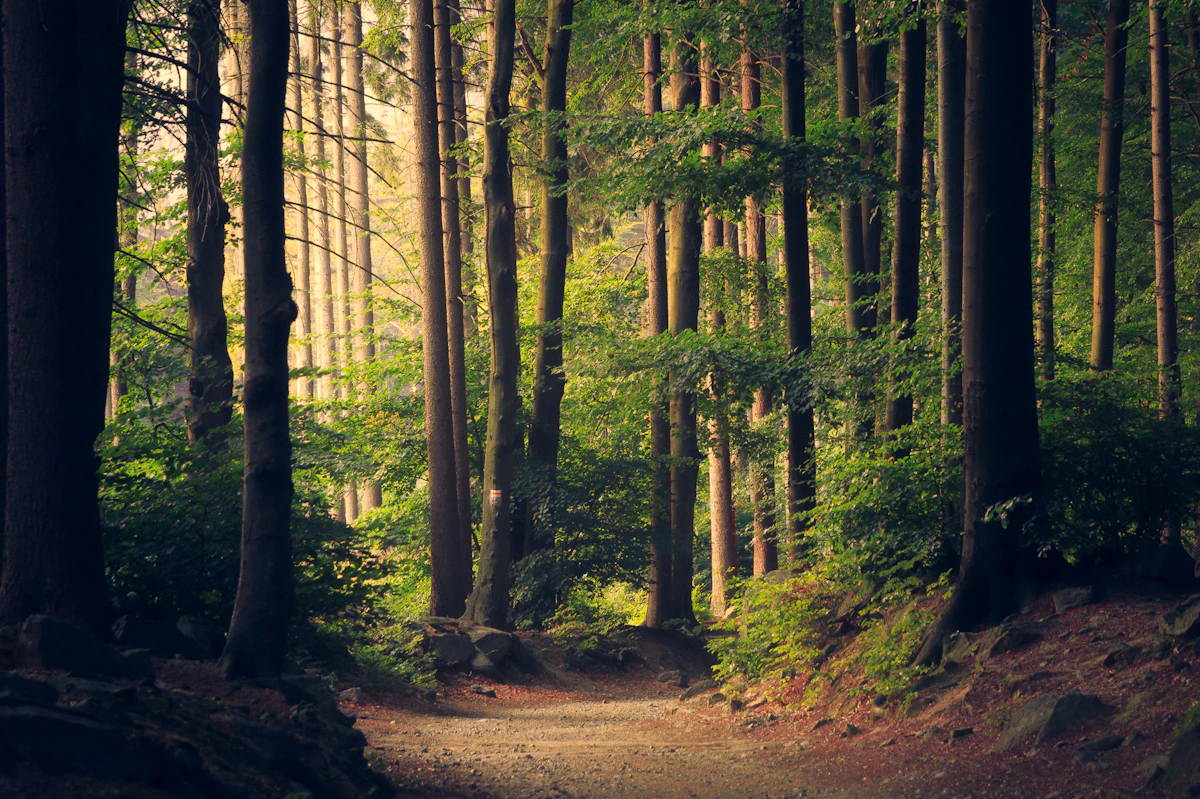
You have tried sitting meditation and you have not found stillness. You have found something closer to panic.
The instruction was to sit quietly and follow the breath. What happened instead was that every anxiety you had been managing through distraction arrived simultaneously, without the buffer of something to do. The room felt too small. The silence was not peaceful — it was loud. You tried harder, which made it worse.
You walked away from meditation thinking it simply was not for you.
I want to propose a different explanation: seated meditation was not the right starting point for your nervous system. Not because there is something wrong with you, but because your nervous system — at this moment, with this level of activation — is not neurologically ready to process stillness through stillness.
The solution is not to push through. It is to meet the nervous system where it is: in motion.
Why Some Minds Cannot Start Seated
The Ayurvedic framework is useful here. Vata dosha (vah-tuh — the energy of air and space in the body, governing movement, thought, and the nervous system) produces a particular pattern when elevated: restlessness, anxiety, a sense of being ungrounded, an inability to stay still, racing thoughts, and — critically — an intensification of these qualities when external movement stops.
Vata types and Vata-imbalanced individuals do not find stillness calming. They find it activating. The instruction to “sit still and observe” asks a nervous system running on elevated air energy to do the one thing it is least capable of — stop.
This is not weakness or lack of discipline. It is physiology. And Ayurveda has always understood it. The classical texts do not prescribe the same practice for all constitutions. They prescribe practices that match the body’s current state.
For elevated Vata — whether constitutional or situational (brought on by stress, travel, irregular sleep, high screen exposure, or the specific texture of modern anxiety) — the approach is grounding through sensation, rhythm, and earth contact. Movement-based meditation is not a lesser substitute for seated practice. For this nervous system, at this time, it is the superior method.
Two Traditions of Mindful Walking
Kinhin (kin-hin) is the walking meditation practice of the Zen Buddhist tradition, practised between periods of seated Zazen. It is slow, deliberate, coordinated with the breath, and often done in a circle or along a defined path. Each step is placed with complete attention.
Chankramana (chan-kruh-muh-nuh — Sanskrit: चङ्क्रमण) is the Vedic and yogic term for mindful walking. The Yoga Sutras of Patanjali mention contemplative walking as a valid support for meditation. The Charaka Samhita describes a morning walk (Prabhata Bhramana — pra-bhaa-tuh bhruh-muh-nuh) as a foundational Dinacharya practice — not purely for physical health but for the mental clarity that arises from rhythmic, attentive movement in the early morning.
Both traditions agree on the essential principle: walking can be a meditation object as complete and rigorous as the breath, and for some minds it is more accessible.
The Physiology Behind Why This Works
When you walk at a moderate, rhythmic pace, several things happen simultaneously that do not happen in seated stillness:
The vestibular system (balance and spatial orientation) is actively engaged, which draws sensory attention into the body and away from abstract thought. The proprioceptive system (awareness of where the body is in space) generates a constant stream of present-moment sensation — foot contacting ground, weight shifting, muscles contracting and releasing. This proprioceptive stream is an anchor that the restless mind can hold onto more easily than the subtle sensation of the breath.
Research published in the Journal of Behavioral Medicine found that mindful walking reduced rumination (repetitive negative thought) significantly more than sitting meditation for participants reporting high anxiety. The physical contact with the ground — particularly barefoot or thin-soled walking — activates sensory receptors in the soles of the feet that have a demonstrated calming effect on the sympathetic nervous system.
In Ayurvedic terms: the ground is earth element; earth grounds Vata. The logic is the same. The mechanism is just described in a different language.
The 10-Minute Walking Meditation Practice
You can do this in a garden, on a quiet street, in a hallway, or back and forth across a room. The space does not need to be beautiful. It needs to be safe enough that you are not managing traffic or navigation.
Ideally, practise barefoot on grass or natural ground if this is accessible to you. The sensory contact amplifies the grounding effect. But shoes on any surface work.
Before you begin — one minute: Stand still. Feel the weight of your body pressing down through the feet into the ground. This is not a balance exercise — simply feel the pressure, the solidity. Take three slow, complete breaths. You are establishing a baseline of body awareness before movement begins.
Begin walking — slow pace: Walk at about half your normal pace. Slow enough that each element of the step is distinct: the lifting of the heel, the forward movement of the foot, the placement, the shift of weight. Not so slow that balance becomes the concern.
The object of attention — sensation: Your attention goes to the soles of the feet. The contact with the ground as each foot lands. The pressure, the texture (even through shoes), the temperature. The release as the foot lifts.
This is your meditation object. The same function the breath serves in seated practice, the feet serve here.
Coordinating with breath: After two or three minutes of walking with attention on the feet, add a breath rhythm. Inhale for three steps. Exhale for three steps. This breath-step coordination is the Kinhin method and quickly produces a specific quality of coordinated, grounded presence that is difficult to achieve by attention alone.
If three steps per breath feels awkward, try two. The ratio matters less than the coordination.
When the mind wanders: It will wander constantly, especially at first. A thought arises; you are planning something, remembering something, narrating the walk to yourself. The moment you notice this — exactly the same moment you would “return to the breath” in seated practice — return to the soles of the feet. Feel the next contact with the ground.
This is the repetition. Each return is a strengthening of attention.
Minutes 7–10 — expanding awareness: In the last three minutes, allow the attention to expand from the soles of the feet to the entire body. Feel the arms swinging. The air against the skin. The quality of the light. The sounds. You are not analysing any of this — you are receiving it, as sensation rather than information.
This expanded awareness is what the tradition calls Panoramic Mindfulness and what Patanjali describes as a widening of the attention field — the same Dharana, but with a broader object.
Closing — two minutes of stillness: Stop walking. Stand again. Feel the feet on the ground. Observe what has changed in the quality of the nervous system from the beginning of the practice. Most people notice a distinct reduction in the mental noise that was present before walking.
Close your eyes for thirty seconds. Feel the breath without controlling it. You may find that the seated stillness that felt impossible before the walk is now accessible.
From Walking to Seated: The Bridge
Walking meditation is not a permanent alternative to seated practice. For most people, it is a transitional practice — a way of grounding the nervous system enough that seated stillness becomes possible.
After four to six weeks of consistent walking meditation, try this bridge practice:
Walk mindfully for five minutes. Then sit down where you are — on the grass, on a bench, on the floor — and spend five minutes with the breath. The grounded quality from the walking carries into the seated period.
Over time, the ratio shifts. Five minutes walking, ten minutes seated. Then ten and fifteen. Eventually the sitting practice can stand on its own, because the nervous system has learned, through movement, what grounded attention feels like.
The walking taught the sitting what to aim for.
Walking in the Old City
My morning walks in Agra’s old city were not formal meditation practice. They were simply walks — but walks taken with a quality of attention that the city seemed to invite. The narrow lanes, the morning light falling at angles that only happen in those particular streets, the smells of jasmine and wood smoke, the sounds of a city waking up in layers.
Awareness was not something I imposed on those walks. It arrived because the sensory richness of the place demanded it. But the formal practice — the slow pace, the attention to the feet, the breath coordination — gave that natural awareness a structure that carried it beyond the walk itself.
You do not need narrow lanes and temple bells. You need ten minutes and a surface to walk on.
For the anxiety that makes sitting impossible, this is where you begin. Not with an instruction to be still, but with an invitation to move with awareness. The stillness comes later. It always does.
Your action today: Before your next sitting practice attempt — or instead of it, if sitting has been impossible — take ten minutes to walk. Slow. Attention on the feet. Three steps per breath. Then sit for three minutes immediately after. Notice what is different.
The YogVira newsletter includes one short practice each week — designed for real lives, not ideal conditions. Subscribe below if this was useful.
Related reading:
Frequently Asked Questions
What is walking meditation and how is it different from regular walking?
Walking meditation is the deliberate use of walking as the object of meditation — attention is placed on the physical sensations of each step, the rhythm of breath, and the contact of feet with the ground, rather than on destination or thought. Unlike regular walking, pace slows significantly and the mind is invited to stay with present-moment sensation rather than planning, worrying, or listening to audio.
Why does walking meditation help people who get anxious when sitting still?
Anxiety has a strong physical component — it manifests as restlessness, muscular tension, and a need to move. Sitting meditation can amplify this restlessness by asking the body to be still while the nervous system is activated. Walking meditation channels physical energy into the practice rather than fighting it, providing the movement the anxious nervous system craves while still cultivating present-moment awareness.
How do you practise walking meditation as a beginner?
Find a quiet path of 10–15 metres and walk back and forth slowly. With each step, notice the lifting, moving, and placing of each foot. When the mind wanders into thought, gently return attention to the sensation of walking — the weight shift, the ground underfoot, the movement of the legs. No special technique is required; the practice is sustained attention on the act of walking. Start with 10 minutes.
Can walking meditation replace sitting meditation?
Walking meditation is a complete and legitimate form of meditation, not a lesser substitute for seated practice. Many traditions — including Theravada Buddhism and Zen — treat walking and seated meditation as equally valid and often alternate between them in a single session. For people with chronic anxiety, chronic pain, or ADHD, walking meditation may actually produce deeper states of presence than seated practice.


